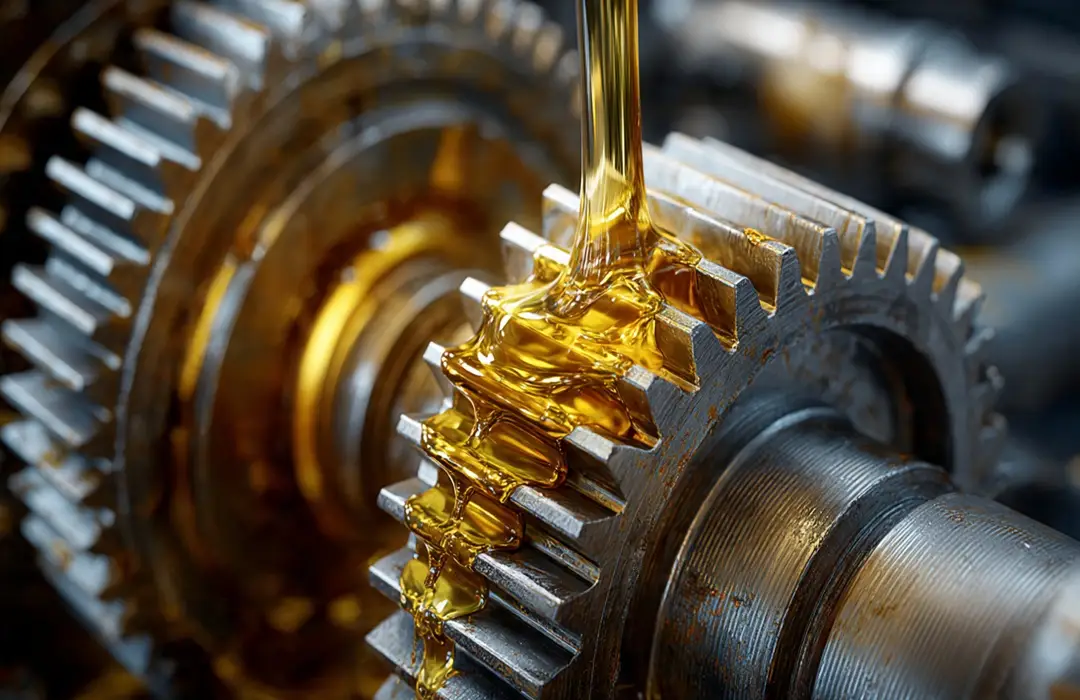
Whether in manufacturing plants, construction sites, or power generation facilities, maintaining clean oil is key to achieving optimal performance and long-term cost savings.
What Is Clean Oil?
Clean oil refers to lubricants or hydraulic fluids that are free from harmful contaminants such as dirt, metal particles, water, and air bubbles. Industrial machinery relies on oil not only for lubrication but also for cooling, sealing, and power transmission.
When oil becomes contaminated, its ability to perform these functions is significantly reduced, leading to inefficiencies and potential equipment failure.
Why Oil Cleanliness Matters in Industrial Machinery
Machinery in industries such as manufacturing, mining, and construction operates under high pressure and extreme conditions. Even microscopic contaminants can cause serious damage to sensitive components.
Maintaining clean oil helps:
- Reduce friction between moving parts
- Prevent corrosion and rust
- Ensure smooth hydraulic operations
- Improve energy efficiency
- Extend equipment life
Key Ways Clean Oil Improves Machinery Efficiency
1. Reduces Friction and Wear
Clean oil forms a protective film between moving parts, reducing direct metal-to-metal contact. When contaminants are present, they act as abrasive particles, increasing friction and accelerating wear.
By keeping oil clean, machinery operates more smoothly, leading to improved efficiency and reduced maintenance needs.
2. Enhances System Performance
Contaminated oil can restrict flow and disrupt the normal functioning of hydraulic systems. Clean oil ensures:
- Consistent pressure levels
- Smooth operation of valves and pumps
- Faster response times
This results in better overall system performance and productivity.
3. Improves Energy Efficiency
Dirty oil forces machinery to work harder due to increased resistance and friction. This leads to higher energy consumption.
Clean oil reduces internal resistance, allowing machines to operate efficiently and consume less energy—an important factor for industries focusing on sustainability and cost reduction.
4. Minimises Equipment Downtime
Unexpected downtime can disrupt operations and lead to significant financial losses. Contaminated oil is one of the primary causes of equipment failure.
By maintaining clean oil through proper filtration and monitoring, businesses can:
- Reduce breakdowns
- Improve reliability
- Ensure continuous operation
5. Supports Accurate System Functioning
Modern industrial machinery often includes precision components that require clean oil to function correctly. Even small particles can affect calibration and accuracy.
Clean oil ensures that systems operate as intended without errors or inconsistencies.
How Clean Oil Extends Machinery Lifespan
1. Prevents Component Damage
Contaminants such as metal particles and dirt can cause scratches and damage to internal components. Over time, this leads to premature failure.
Clean oil protects these components, significantly extending their lifespan.
2. Reduces Maintenance Frequency
Frequent repairs and maintenance can be costly and time-consuming. Clean oil reduces the need for constant servicing by keeping machinery in optimal condition.
3. Prevents Corrosion and Oxidation
Water contamination can lead to rust and corrosion, weakening internal components. Clean oil eliminates moisture and prevents chemical reactions that degrade equipment.
4. Maintains Oil Quality for Longer
Clean oil degrades more slowly compared to contaminated oil. This means:
- Longer oil change intervals
- Reduced operational costs
- Improved system reliability
Common Contaminants That Affect Oil Quality
Understanding contaminants helps in maintaining oil cleanliness:
- Solid Particles: Dust, dirt, and metal fragments
- Water: Causes corrosion and reduces lubrication properties
- Air: Leads to foaming and reduced efficiency
- Chemical Contaminants: Degrade oil composition
Best Practices to Maintain Clean Oil
1. Use High-Quality Filtration Systems
Install advanced filtration systems to remove contaminants effectively.
2. Regular Oil Analysis
Monitor oil condition to detect contamination early.
3. Proper Storage and Handling
Store oil in clean, sealed containers to prevent contamination.
4. Routine Maintenance
Replace filters and service equipment regularly.
5. Use Desiccant Breathers
Prevent moisture and airborne contaminants from entering the system.
Role of Filtration Systems in Oil Cleanliness
Filtration systems are essential for maintaining clean oil in industrial machinery. They work by continuously removing contaminants, ensuring that oil remains within acceptable cleanliness levels.
Advanced filtration solutions help:
- Improve equipment reliability
- Reduce maintenance costs
- Enhance operational efficiency
Signs Your Oil May Be Contaminated
Look out for these warning signs:
- Dark or cloudy oil
- Unusual machine noise
- Increased operating temperature
- Reduced system performance
- Frequent equipment failures
Addressing these issues early can prevent major damage and costly repairs.
Benefits for Industries
Maintaining clean oil is essential for industries operating in demanding environments and aiming to meet strict efficiency and environmental standards.
Key benefits include:
- Improved sustainability
- Reduced operational costs
- Enhanced productivity
- Increased equipment reliability
Conclusion
Clean oil is a fundamental requirement for efficient and long-lasting machinery. It reduces wear, improves performance, lowers energy consumption, and prevents costly downtime. By investing in proper filtration systems and following best practices, industries can significantly enhance equipment lifespan and operational efficiency.
Contact Us
If you are looking for reliable solutions to maintain oil cleanliness and improve machinery performance, connect with Micro Lube. We provide advanced filtration, lubrication, and contamination control solutions designed for industrial applications. Visit our website to explore our products and get expert support tailored to your business needs in the United States and Canada.
Read Also Blog:
Understanding Marine Oil: Types, Benefits, and Applications
Compressor Oil: Key Features, Benefits, and Applications
