Automatic Fuel Nozzles vs Manual Nozzles: Key Differences
September 19, 2026
Fuel dispensing equipment plays an important role in fleet operations, construction sites, agricultural facilities, mining operations, workshops, and industrial facilities. The fuel nozzle is one of the most frequently used components in a fuel transfer system because it controls the flow of fuel from the pump or dispensing system into the vehicle or equipment tank. When choosing a fuel nozzle, two common options are automatic fuel nozzles vs manual fuel nozzles. Although both perform the same basic function—dispensing fuel safely and efficiently—they differ in operation, convenience, control, and application.
Understanding the difference between automatic and manual nozzles can help businesses select the right equipment for their fuel dispensing requirements.
What Is a Fuel Nozzle?
A fuel nozzle is a dispensing device connected to a fuel transfer pump or dispensing system. It allows an operator to control the flow of fuel while filling a tank.
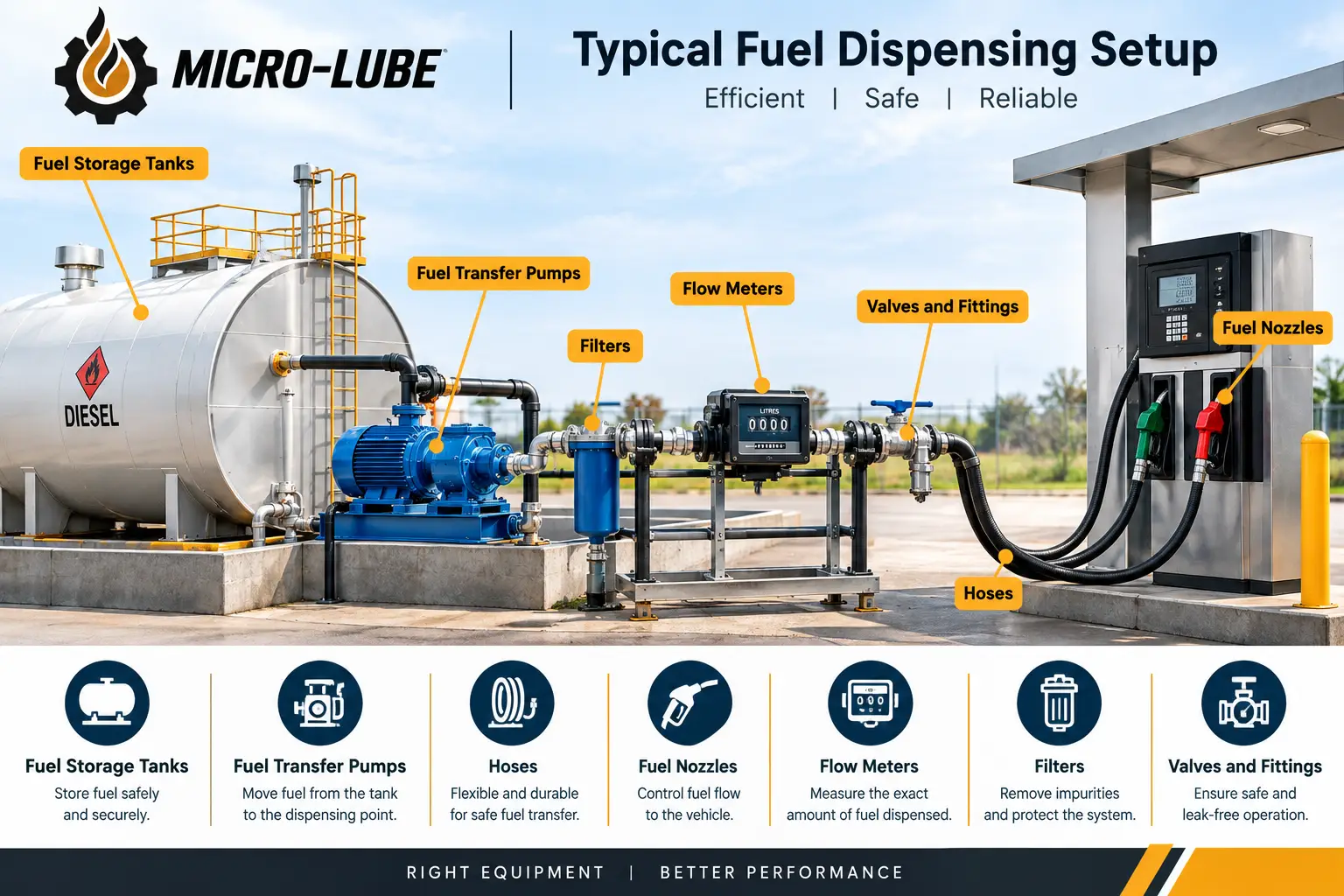
The nozzle provides the final point of control between the fuel transfer system and the equipment being refueled. Choosing a suitable nozzle can improve handling, reduce spills, and make routine fueling easier.
What Is an Automatic Fuel Nozzle?
An automatic fuel nozzle is designed to help control fuel flow during dispensing. Many automatic nozzles include an automatic shut-off mechanism that stops fuel flow when the receiving tank reaches its fill level.
This feature reduces the need for the operator to continuously monitor the fuel level during dispensing. Depending on the nozzle design and application, automatic nozzles may also provide multiple flow positions, allowing operators to select a suitable dispensing rate.
Automatic nozzles are commonly used with fuel transfer systems for:
- Fleet vehicles
- Construction equipment
- Agricultural machinery
- Industrial equipment
- Mining equipment
- Service stations
- Bulk fuel dispensing systems
Their combination of flow control and automatic shut-off makes them useful for operations where operators refuel equipment frequently.
What Is a Manual Fuel Nozzle?
A manual fuel nozzle requires the operator to control the fuel flow directly throughout the dispensing process. The operator typically squeezes or releases the nozzle handle to start, adjust, or stop fuel flow.
Manual nozzles provide straightforward operation and can work well in applications where the operator needs direct control over the dispensing process.
They are often used for:
- Workshops
- Small fleets
- Agricultural facilities
- Machinery maintenance areas
- Equipment service locations
- General-purpose fuel transfer
Because manual nozzles rely more heavily on operator control, the user needs to monitor the tank during refueling and stop the flow when the required amount has been delivered.
Automatic vs Manual Fuel Nozzles: Key Differences
The biggest difference between these two nozzle types is how they control fuel flow.
| Feature | Automatic Fuel Nozzle | Manual Fuel Nozzle |
|---|---|---|
| Flow control | Operator-controlled with automatic shut-off | Directly controlled by operator |
| Automatic shut-off | Typically available | Generally not included |
| Operator monitoring | Reduced during normal filling | Requires continuous attention |
| Ease of use | Convenient for frequent fueling | Simple and straightforward |
| Spill-control support | Automatic shut-off can help reduce overfilling | Depends more on operator control |
| Best suited for | High-frequency and commercial fueling | Controlled, general-purpose applications |
| Operation | More automated | More manual |
The exact features vary by manufacturer and nozzle model, so users should always check the specifications before selecting equipment.
Benefits of Automatic Fuel Nozzles
1. Automatic Shut-Off
One of the main advantages of an automatic nozzle is its shut-off mechanism. When the nozzle senses that the tank is reaching its fill point, it can stop the fuel flow.
This can help reduce overfilling and unnecessary fuel spills when the nozzle is correctly positioned and operated.
2. Convenient Fuel Dispensing
Automatic nozzles can make repetitive fueling tasks more convenient. Fleet operators, maintenance teams, and equipment operators may refuel several machines during a workday. A nozzle with automatic shut-off can reduce the amount of continuous monitoring required during each filling cycle.
3. Better Operator Efficiency
When a business handles frequent fueling, small improvements in each fueling task can make a difference to daily workflow. Automatic nozzles can simplify routine dispensing and allow operators to focus on other parts of the fueling process.
4. Useful for High-Volume Applications
Operations that regularly refuel trucks, construction equipment, agricultural machinery, or industrial equipment may benefit from automatic nozzles because they support consistent and convenient fuel dispensing.
Benefits of Manual Fuel Nozzles
1. Simple Operation
Manual nozzles have a straightforward design. The operator controls the flow using the nozzle handle, making the equipment easy to understand and operate.
2. Direct Control
Some applications require the operator to control fuel flow carefully. A manual nozzle provides direct control over when dispensing starts and stops.
3. Suitable for Smaller Operations
If a facility only refuels equipment occasionally, a manual nozzle may provide the functionality needed without additional automatic features.
4. Flexible Fueling
Manual operation can be useful when the operator needs to adjust the flow according to the equipment, tank size, or fueling conditions.
Which Fuel Nozzle Should You Choose?
The right nozzle depends on your fuel type, pump capacity, operating environment, equipment requirements, and fueling frequency.
An automatic fuel nozzle may be appropriate when:
- Equipment requires frequent refueling.
- Operators want automatic shut-off functionality.
- The facility handles multiple vehicles or machines.
- Reducing overfilling is an important consideration.
- The business operates a high-use fuel dispensing system.
A manual nozzle may be suitable when:
- Fueling occurs less frequently.
- The operator needs direct control of fuel flow.
- The application is relatively simple.
- The facility uses a basic fuel transfer system.
- Operators can continuously monitor the filling process.
It is also important to match the nozzle with the fuel transfer pump, hose, fittings, flow requirements, and fuel compatibility.
What Should You Check Before Buying a Fuel Nozzle?
Before purchasing a nozzle, consider more than just whether it is automatic or manual.
Fuel Compatibility
Confirm that the nozzle materials and seals are compatible with the fuel being dispensed. Compatibility can affect service life and safe operation.
Flow Rate
Check the required fuel flow rate. A nozzle should work effectively with the capacity of the connected fuel transfer pump and hose.
Connection Size
Make sure the nozzle connection matches the hose and other components in the dispensing system. An incorrect connection can create installation and performance problems.
Operating Environment
Consider where the nozzle will be used. Mining, construction, agricultural, fleet, and industrial environments may expose equipment to dust, moisture, vibration, or frequent handling.
Ergonomics
Operators may use a fuel nozzle many times each day. A comfortable handle, suitable weight, and easy-to-operate trigger can make routine fueling more convenient.
Shut-Off Design
If you select an automatic nozzle, understand how its automatic shut-off system operates and follow the manufacturer’s installation and operating instructions.
Safety Tips for Using Fuel Nozzles
Regardless of whether you use an automatic or manual nozzle, proper operating practices remain essential.
Always:
- Inspect the nozzle, hose, and connections before use.
- Check for leaks or visible damage.
- Use equipment compatible with the fuel being dispensed.
- Keep ignition sources away from fueling areas.
- Avoid overfilling tanks.
- Maintain good ventilation where required.
- Follow the manufacturer’s operating instructions.
- Secure hoses and dispensing equipment when not in use.
- Replace damaged components promptly.
- Train operators on proper fuel dispensing procedures.
An automatic shut-off feature provides an additional control mechanism, but it does not eliminate the need for operator attention and safe fueling practices.
Automatic Fuel Nozzles for Industrial and Heavy-Duty Applications
Industrial facilities, fleet operators, mining companies, construction businesses, and agricultural operations often need dependable equipment for transferring and dispensing fuel. In these environments, the nozzle needs to work as part of a complete fuel transfer system rather than as an isolated component.
The pump, hose, nozzle, meter, fittings, filters, and storage equipment should work together according to the requirements of the application.
For frequent fueling operations, an automatic fuel nozzle can provide convenient flow control and automatic shut-off functionality. For applications where direct operator control is the priority, a manual nozzle can offer a simple and practical solution.
Frequently Asked Questions
Are automatic fuel nozzles better than manual nozzles?They serve different applications. Automatic nozzles offer features such as automatic shut-off, while manual nozzles provide direct operator control. The appropriate choice depends on the fueling system and operating requirements.
Do automatic fuel nozzles stop fuel automatically?Many automatic fuel nozzles include an automatic shut-off mechanism that stops dispensing when the nozzle detects the tank has reached its fill level. Correct nozzle positioning and proper operation remain important.
Can automatic nozzles be used for diesel fuel?Many automatic nozzles are designed for diesel and other compatible fuels, but compatibility varies by model. Always verify the manufacturer’s specifications before use.
What is the main advantage of a manual fuel nozzle?The main advantage is direct control. The operator can start, adjust, and stop fuel flow manually according to the fueling requirements.
What should I consider when buying a fuel nozzle?Consider fuel compatibility, flow rate, connection size, pump capacity, operating environment, construction quality, nozzle design, and whether automatic shut-off functionality is required.
Are automatic nozzles suitable for fleet fueling?They can be suitable for fleet fueling because automatic shut-off and convenient flow control can simplify frequent refueling. The nozzle should still match the fuel, pump, hose, and operating conditions.
Final Thoughts
Automatic and manual fuel nozzles both have an important role in fuel dispensing systems. Automatic fuel nozzles can provide added convenience and automatic shut-off functionality, making them useful for frequent and high-volume fueling applications. Manual fuel nozzles provide straightforward operation and direct control, which can work well for simpler fueling requirements.
The best choice depends on your fuel type, dispensing volume, pump capacity, equipment, operating environment, and safety requirements. Selecting a compatible, properly rated nozzle can help create a reliable and efficient fuel transfer setup.
For reliable fuel dispensing equipment, automatic fuel nozzles, fuel transfer pumps, hoses, and fluid handling solutions, explore the solutions available from Micro Lube. Contact the team to discuss your application and identify equipment that fits your fuel transfer requirements.