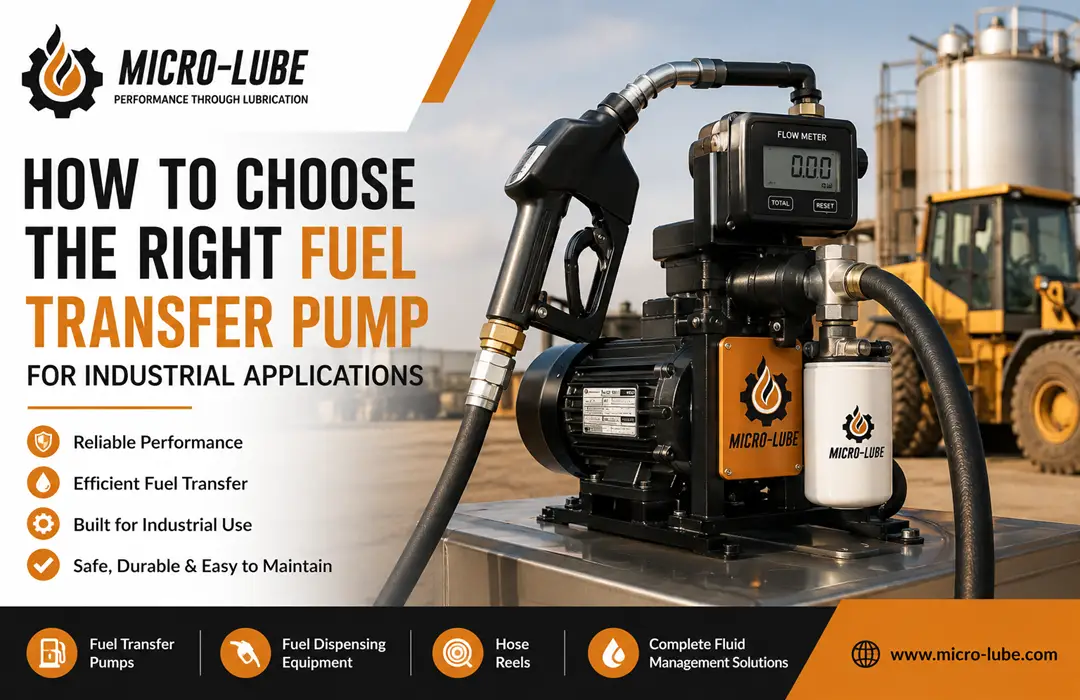
Efficient fuel handling is essential for industries that rely on heavy equipment, generators, fleet vehicles, construction machinery, agricultural equipment, and mining operations. Whether transferring diesel, gasoline, biodiesel, or other approved fuels, selecting the right fuel transfer pump for industrial applications directly impacts productivity, safety, operating costs, and equipment reliability.
An improperly selected pump can lead to slow fuel transfer, excessive downtime, increased maintenance, inaccurate dispensing, and even safety hazards. On the other hand, the right pump ensures faster operations, precise fuel delivery, reduced waste, and long-term reliability.
This guide explains everything industrial buyers need to know before investing in a fuel transfer system.
Why Fuel Transfer Pumps Matter
Fuel transfer pumps move fuel efficiently from storage tanks to vehicles, machinery, generators, or mobile equipment. They eliminate manual handling, improve workplace safety, and increase operational efficiency.
Industries across the United States and Canada depend on reliable fuel transfer systems, including:
- Construction
- Mining
- Agriculture
- Transportation
- Oil & Gas
- Manufacturing
- Municipal Services
- Marine Operations
- Emergency Backup Power Facilities
A quality industrial fuel transfer pump minimizes downtime while helping businesses maintain continuous operations.
Types of Fuel Transfer Pumps
Understanding the different pump types is the first step toward making the right investment.
1. Electric Fuel Transfer Pumps
Electric pumps are among the most popular choices for industrial environments.
Benefits include:
- High flow rates
- Continuous operation
- Reduced manual labor
- Suitable for fixed installations
- Excellent for fleet fueling
These pumps are ideal for warehouses, industrial plants, truck depots, and large fuel storage facilities.
2. DC Fuel Transfer Pumps
Powered by 12V or 24V batteries, DC pumps are commonly used for mobile fueling applications.
Best suited for:
- Service trucks
- Agricultural equipment
- Construction machinery
- Remote job sites
They offer portability without sacrificing efficiency.
3. Manual Fuel Transfer Pumps
Manual pumps work well where electricity is unavailable or fuel transfer volumes are relatively low.
Advantages include:
- Low maintenance
- Portable
- Cost-effective
- Emergency backup solution
However, they are not recommended for high-volume industrial fueling.
4. Pneumatic Fuel Transfer Pumps
Air-operated pumps perform exceptionally well in hazardous environments where electrical sparks must be avoided.
Common applications include:
- Chemical plants
- Oil refineries
- Explosion-risk environments
Key Factors to Consider Before Buying
Fuel Type Compatibility
Not every pump handles every type of fuel.
Confirm compatibility with:
- Diesel
- Gasoline
- Biodiesel
- Kerosene
- DEF-compatible systems
- Industrial lubricants
Using the wrong pump can damage seals, reduce efficiency, and shorten equipment life.
Required Flow Rate
Flow rate determines how quickly fuel transfers from storage tanks to equipment.
Industrial pumps typically range from:
- Low Flow (10–20 GPM)
- Medium Flow (20–35 GPM)
- High Flow (35–60+ GPM)
Large construction fleets often require high-flow pumps to reduce fueling time.
Pump Capacity
Consider your daily fuel consumption.
Questions to ask include:
- How many machines require fueling?
- How many gallons are transferred daily?
- Will demand increase in the future?
Choosing a pump with additional capacity supports future business growth.
Power Source
Available power significantly influences pump selection.
Options include:
- AC Electric
- DC Battery
- Pneumatic
- Manual
Industrial facilities generally prefer electric-powered pumps for continuous operation.
Hose Length and Reel Options
Longer hose systems increase flexibility, especially in large maintenance facilities.
Spring-retractable hose reels improve:
- Safety
- Organization
- Workflow efficiency
Meter Accuracy
Digital flow meters help companies:
- Monitor fuel usage
- Reduce theft
- Improve inventory control
- Generate accurate fuel reports
Accurate metering is especially valuable for fleet management.
Durability
Industrial pumps operate in demanding environments.
Choose equipment manufactured with:
- Cast iron housing
- Corrosion-resistant components
- Heavy-duty motors
- Industrial-grade seals
Weather-resistant construction extends service life in outdoor applications.
Safety Features to Look For
Safety should never be compromised during fuel handling.
Essential features include:
- Automatic shut-off nozzles
- Thermal overload protection
- Explosion-resistant components (where required)
- Anti-static grounding
- Leak-resistant fittings
- Emergency stop systems
Compliance with local safety standards helps reduce operational risks.
Choosing Pumps by Industry
Construction
Construction companies require pumps capable of fueling:
- Excavators
- Bulldozers
- Cranes
- Loaders
- Backhoes
Recommended features:
- High flow rate
- Portable systems
- Rugged construction
Agriculture
Farm operations often fuel:
- Tractors
- Harvesters
- Irrigation pumps
- Utility vehicles
Portable diesel transfer pumps provide excellent flexibility across large properties.
Mining
Mining operations demand continuous fuel supply for heavy-duty equipment.
Key requirements:
- Heavy-duty motors
- High-volume transfer
- Extreme durability
- Minimal maintenance
Transportation Fleets
Fleet operators prioritize:
- Fast fueling
- Accurate metering
- Inventory tracking
- Reduced vehicle downtime
Digital fuel management systems significantly improve operational efficiency.
Manufacturing Facilities
Manufacturing plants use fuel transfer systems for:
- Backup generators
- Industrial vehicles
- Maintenance equipment
Reliable pumps help ensure uninterrupted production.
Common Mistakes to Avoid
Many buyers focus solely on price instead of long-term performance.
Avoid these common mistakes:
- Buying an undersized pump
- Ignoring fuel compatibility
- Selecting low-quality hoses
- Overlooking maintenance requirements
- Skipping flow meter installation
- Purchasing equipment without warranty support
Investing in quality equipment often results in lower lifetime operating costs.
Maintenance Tips
Proper maintenance extends equipment life and ensures reliable performance.
Best practices include:
- Inspect hoses regularly
- Replace worn seals
- Clean strainers
- Check electrical connections
- Test flow meters
- Lubricate moving components
- Store equipment in clean, dry environments
Preventive maintenance reduces costly breakdowns and unexpected downtime.
Why Industrial Buyers Choose High-Quality Fuel Transfer Equipment
Premium fuel transfer systems offer measurable business benefits:
- Faster fueling operations
- Reduced labor costs
- Improved workplace safety
- Accurate fuel tracking
- Longer equipment lifespan
- Lower maintenance expenses
- Greater operational efficiency
These advantages make quality fuel transfer equipment a smart long-term investment.
Frequently Asked Questions
What is the best fuel transfer pump for industrial applications?
The best choice depends on your fuel type, daily transfer volume, required flow rate, and work environment. Electric pumps are generally preferred for fixed industrial installations, while DC-powered pumps are ideal for mobile applications.
Can one pump transfer both diesel and gasoline?
Only if the manufacturer specifically approves the pump for both fuel types. Always verify compatibility before use.
What flow rate is ideal for heavy equipment?
High-volume industrial applications typically benefit from pumps delivering 35–60+ gallons per minute (GPM), depending on fueling demand.
How often should fuel transfer pumps be serviced?
Routine inspections should be performed monthly, with full preventive maintenance scheduled according to the manufacturer’s recommendations and operating conditions.
Why is a digital flow meter important?
Digital flow meters improve fuel accountability, reduce waste, support inventory management, and provide accurate usage records for fleet and industrial operations.
Conclusion
Choosing the right fuel transfer pump for industrial applications is about more than simply moving fuel—it is about improving productivity, enhancing safety, and reducing long-term operating costs. By evaluating factors such as fuel compatibility, flow rate, pump capacity, power source, durability, and maintenance requirements, businesses can select a solution that delivers reliable performance for years to come.
Whether you operate a construction fleet, manufacturing facility, mining site, agricultural operation, or transportation business, investing in high-quality fuel transfer equipment helps maximize efficiency and protect valuable assets.
At Micro-Lube, we provide dependable industrial fuel transfer solutions, lubrication systems, and fluid handling equipment designed to meet the demanding needs of businesses across the United States and Canada. Our team can help you select the right equipment to improve operational efficiency, reduce downtime, and support long-term productivity.