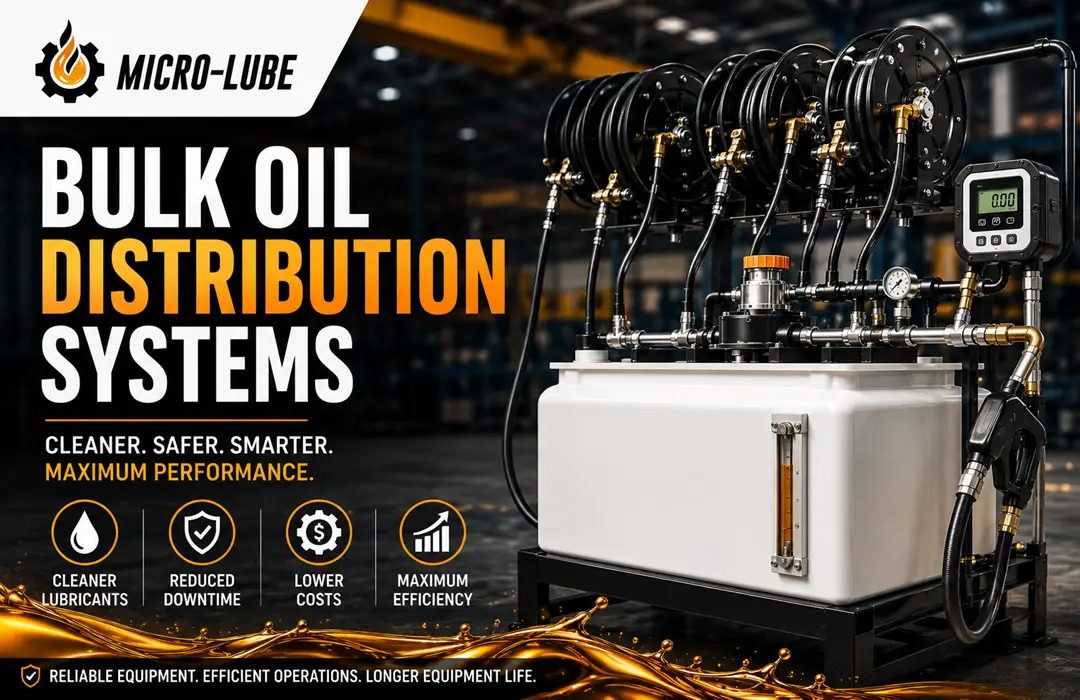
Efficient lubricant management is one of the most important factors in maintaining industrial equipment reliability. Whether you operate a manufacturing plant, mining operation, fleet maintenance facility, construction company, or heavy equipment workshop, the way you store, transfer, and dispense oil directly impacts equipment performance, maintenance costs, and operational efficiency. Many facilities still rely on manual oil handling methods such as drums, pails, and portable containers. While these methods may seem convenient, they often increase the risk of contamination, spills, lubricant waste, and workplace safety issues. This is where bulk oil distribution systems provide a significant advantage. These systems help businesses deliver clean lubricants to equipment efficiently while improving inventory control and reducing maintenance-related costs.
What Is a Bulk Oil Distribution System?
A bulk oil distribution system is a centralized solution designed to store, manage, transfer, filter, and dispense lubricants throughout a facility. Instead of manually transporting oil from containers to equipment, the system delivers lubricants through pumps, hose reels, filtration units, meters, and dispensing stations. Most systems include storage tanks, pumps, hose reels, regulators, filters, and dispensing equipment to ensure safe and efficient lubricant delivery.
Bulk oil systems are commonly used for:
- Manufacturing plants
- Mining operations
- Construction equipment maintenance
- Transportation fleets
- Agricultural operations
- Industrial workshops
- Power generation facilities
By centralizing lubricant storage and delivery, companies can improve equipment reliability while maintaining cleaner and safer workplaces.
Why Are Bulk Oil Distribution Systems Important?
Lubricants play a critical role in reducing friction, minimizing wear, controlling temperatures, and protecting expensive machinery. However, even the highest-quality lubricant can fail if it becomes contaminated during handling.
A bulk oil distribution system helps address common challenges such as:
- Oil contamination
- Product mix-ups
- Lubricant waste
- Excessive labor costs
- Workplace spills
- Equipment downtime
Organizations that implement proper bulk lubricant storage and handling practices often experience improved equipment performance and more consistent maintenance results. Proper storage and handling systems also support workplace organization, safety, and lubrication best practices.
How Does a Bulk Oil Distribution System Work?
A bulk oil distribution system follows a simple but highly effective process.
Step 1: Bulk Oil Storage
Lubricants are stored in dedicated tanks or reservoirs designed for specific oil grades. Clearly labeled storage helps prevent cross-contamination and product mix-ups.
Step 2: Filtration
Before oil is distributed, filtration systems help remove contaminants that could damage machinery. Clean oil is essential for maximizing equipment life and performance.
Step 3: Pumping and Transfer
Oil transfer pumps move lubricants from storage tanks through distribution lines to dispensing stations. Positive displacement and gear pumps are commonly used in industrial lubrication systems.
Step 4: Hose Reel Delivery
Industrial hose reels allow technicians to access lubricants efficiently throughout the facility without transporting heavy containers.
Step 5: Metered Dispensing
Dispensing meters help deliver precise lubricant quantities, reducing waste and ensuring proper lubrication practices.
Key Components of a Bulk Oil Distribution System
A modern bulk oil management system typically includes several important components.
Storage Tanks
Bulk storage tanks provide centralized lubricant storage and help maintain product cleanliness.
Pumps
Pumps move oil from storage tanks to dispensing points throughout the facility.
Hose Reels
Retractable hose reels improve accessibility while keeping workspaces organized and safe.
Filtration Units
Filters remove contaminants and help maintain lubricant cleanliness before application.
Dispensing Meters
Meters ensure accurate oil delivery and inventory tracking.
Distribution Lines
These lines transport lubricants from storage areas to service bays and maintenance stations.
Monitoring Equipment
Advanced systems may include sensors, fluid tracking, and inventory management tools.
Benefits of Bulk Oil Distribution Systems
Improved Oil Cleanliness
Contamination is one of the leading causes of equipment failure. Bulk systems reduce exposure to airborne dirt, moisture, and debris during lubricant handling.
Reduced Maintenance Costs
Clean lubricants help minimize component wear, resulting in fewer repairs and lower maintenance expenses.
Increased Equipment Reliability
Consistent lubricant delivery helps equipment operate efficiently and reduces unexpected failures.
Better Workplace Safety
Bulk systems significantly reduce spills, leaks, and manual handling risks.
Higher Productivity
Technicians spend less time handling containers and more time performing productive maintenance tasks.
Improved Inventory Management
Centralized storage allows businesses to monitor lubricant usage more accurately.
Industries That Benefit from Bulk Oil Distribution Systems
Manufacturing
Production facilities use bulk systems to support machinery, conveyors, hydraulic systems, and automated equipment.
Mining
Mining equipment operates under harsh conditions and requires reliable lubrication management.
Construction
Heavy equipment fleets benefit from efficient lubricant storage and dispensing systems.
Transportation
Fleet maintenance facilities use bulk systems to service trucks, buses, and commercial vehicles.
Agriculture
Farms and agricultural operations rely on proper lubrication for tractors, harvesters, and support equipment.
Power Generation
Turbines, generators, and auxiliary equipment require consistent lubrication to maintain performance.
Common Challenges Without a Bulk Oil System
Facilities relying on manual lubricant handling often experience:
- Frequent contamination issues
- Oil spills and cleanup costs
- Inaccurate lubricant dispensing
- Excessive lubricant consumption
- Increased labor requirements
- Poor inventory tracking
- Equipment reliability problems
These issues can lead to unnecessary downtime and higher operating expenses.
Best Practices for Bulk Oil Management
To maximize the benefits of a bulk oil distribution system, consider the following best practices:
Use Dedicated Storage Tanks
Store each lubricant type separately to prevent contamination.
Install Proper Filtration
Clean oil is essential for maximizing equipment life.
Label All Equipment
Clear identification reduces the risk of lubricant mix-ups.
Monitor Fluid Cleanliness
Regular oil analysis helps detect contamination before it causes damage.
Train Maintenance Personnel
Employees should understand proper lubricant handling procedures.
Conduct Routine Inspections
Inspect pumps, hoses, filters, and dispensing equipment regularly.
Choosing the Right Bulk Oil Distribution System
When selecting a system, consider:
- Facility size
- Number of lubrication points
- Lubricant types used
- Storage capacity requirements
- Filtration needs
- Dispensing volume
- Future expansion plans
The ideal system should improve efficiency while supporting long-term maintenance goals.
Conclusion
A bulk oil distribution system is much more than a lubricant storage solution. It is a critical component of an effective maintenance strategy that helps protect equipment, reduce contamination, improve workplace safety, and lower operating costs.
By investing in proper bulk oil storage, transfer, filtration, and dispensing equipment, industrial facilities can improve reliability, increase productivity, and extend equipment life. Whether you manage a manufacturing plant, fleet maintenance operation, mining site, or construction company, a well-designed bulk oil distribution system can deliver measurable benefits for years to come.
Frequently Asked Questions
1. What is a bulk oil distribution system?
A bulk oil distribution system is a centralized setup used to store, transfer, filter, and dispense lubricants throughout an industrial facility.
2. What are the benefits of bulk oil distribution systems?
Benefits include improved oil cleanliness, reduced contamination, lower maintenance costs, better safety, and increased equipment reliability.
3. How do bulk oil systems reduce contamination?
They minimize lubricant exposure to dirt, moisture, and airborne particles through sealed storage, filtration, and controlled dispensing methods.
4. Which industries use bulk oil distribution systems?
Manufacturing, mining, construction, transportation, agriculture, and power generation industries commonly use these systems.
5. What components are included in a bulk oil system?
Typical components include storage tanks, pumps, hose reels, filters, dispensing meters, distribution lines, and monitoring equipment.