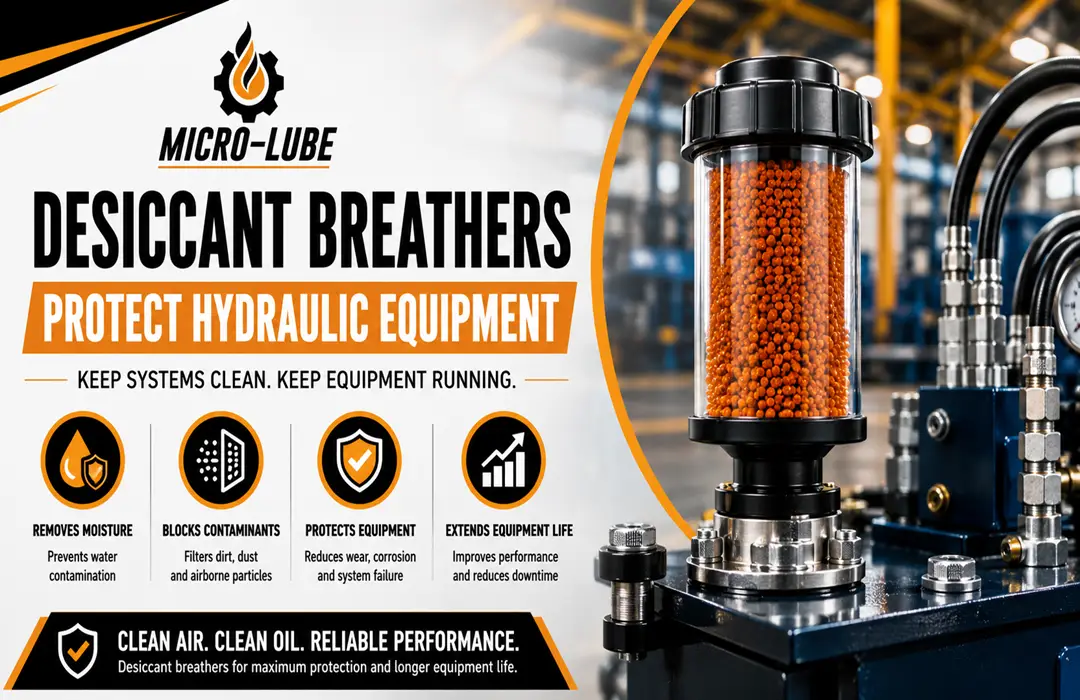
Hydraulic systems are the backbone of many industries across the United States and Canada, including manufacturing, mining, construction, oil and gas, transportation, forestry, and agriculture. These systems rely heavily on clean hydraulic fluid to operate efficiently and maintain long-term performance. However, contamination from moisture, dirt, and airborne particles can severely damage hydraulic equipment, resulting in expensive repairs, unplanned downtime, and reduced productivity. This is why Desiccant Breathers for Hydraulic Equipment are essential for preventing contamination and protecting industrial hydraulic systems.
One of the most effective solutions for preventing contamination in hydraulic systems is the use of desiccant breathers. These small yet powerful devices help protect hydraulic reservoirs and industrial equipment from harmful moisture and particulate contamination.
In this guide, we will explain how desiccant breathers work, why they are important, and how industries in the USA and Canada can benefit from using them in hydraulic and lubrication systems.
Also Read: Understand Desiccant Breathers: Types and How They Work
What Are Desiccant Breathers?
Desiccant breathers are filtration devices installed on hydraulic reservoirs, storage tanks, gearboxes, transformers, and industrial fluid containers. Their primary purpose is to remove moisture and airborne contaminants from the air entering the equipment.
Hydraulic reservoirs naturally breathe during operation because fluid levels rise and fall with temperature and system movement. As outside air enters the reservoir, it may carry humidity, dust, dirt, and microscopic particles. Without proper filtration, these contaminants enter the hydraulic oil and cause system damage over time.
A desiccant breather contains:
- Moisture-absorbing desiccant material
- High-efficiency particulate filters
- Durable housing for industrial environments
These components work together to keep hydraulic systems clean, dry, and protected.
Also Read: Understanding the Value of Desiccant Breathers
Why Moisture Is Dangerous for Hydraulic Equipment
Moisture contamination is one of the leading causes of hydraulic system failure in industrial operations throughout North America. Even small amounts of water in hydraulic oil can create serious problems.
Common Effects of Moisture Contamination
1. Corrosion and Rust
Water causes internal metal surfaces to rust and corrode. Over time, corrosion damages pumps, cylinders, valves, and other hydraulic components.
2. Reduced Lubrication Efficiency
Hydraulic oil is designed to lubricate moving parts. Moisture weakens the oil’s lubricating properties, increasing friction and wear.
3. Oxidation of Hydraulic Oil
Water accelerates oxidation, causing oil to degrade faster. Oxidized oil forms sludge and varnish that reduce system efficiency.
4. Increased Equipment Downtime
Contaminated hydraulic systems experience more failures, leading to costly downtime and maintenance expenses.
5. Shortened Equipment Life
Hydraulic pumps, motors, seals, and valves wear out faster when exposed to moisture and contamination.
For industries in the United States and Canada that operate in humid, cold, or dusty environments, moisture contamination is a major concern.
How Desiccant Breathers Work
Desiccant breathers protect hydraulic systems through a multi-stage filtration process.
Step 1: Air Enters the Breather
When equipment breathes, outside air passes through the desiccant breather before entering the hydraulic reservoir.
Step 2: Particulate Filtration
The breather’s filter captures dirt, dust, and airborne particles that could contaminate hydraulic oil.
Step 3: Moisture Absorption
The desiccant material absorbs water vapor from incoming air, preventing moisture from entering the system.
Step 4: Clean, Dry Air Enters the Reservoir
Only filtered and dry air reaches the hydraulic tank, protecting sensitive equipment components.
This process significantly improves hydraulic oil cleanliness and system reliability.
Benefits of Using Desiccant Breathers
Industries across the USA and Canada use desiccant breathers because they provide multiple operational and financial benefits.
1. Improved Hydraulic System Reliability
Clean and dry hydraulic oil reduces wear on pumps, valves, and cylinders. This improves equipment reliability and performance.
2. Reduced Maintenance Costs
Contamination-related failures are expensive. Desiccant breathers help lower maintenance and repair costs by preventing premature component wear.
3. Longer Equipment Life
Hydraulic systems last longer when protected from moisture, dust, and debris.
4. Better Fluid Cleanliness
Desiccant breathers support contamination control programs and help maintain optimal oil cleanliness standards.
5. Reduced Downtime
Cleaner hydraulic systems experience fewer unexpected failures and shutdowns.
6. Increased Productivity
Reliable equipment allows industrial operations to maintain productivity and operational efficiency.
Industries That Benefit from Desiccant Breathers
Desiccant breathers are widely used across industrial sectors in North America.
Manufacturing Plants
Manufacturing facilities use hydraulic machinery extensively. Desiccant breathers help maintain clean hydraulic systems and reduce production interruptions.
Mining Operations
Mining equipment operates in extremely dusty environments. Desiccant breathers help prevent contamination and extend equipment life.
Construction Industry
Heavy construction equipment relies on hydraulic power for lifting, digging, and material handling. Clean hydraulic oil improves equipment reliability.
Oil and Gas Industry
Oilfield operations often face harsh environmental conditions. Moisture control is essential for maintaining hydraulic and lubrication systems.
Forestry and Agriculture
Outdoor equipment in Canada and the USA is exposed to humidity, rain, and temperature changes. Desiccant breathers provide critical protection.
Signs Your Hydraulic System Needs a Desiccant Breather
Many industrial facilities do not realize contamination problems exist until equipment failure occurs. Here are common warning signs:
- Milky or cloudy hydraulic oil
- Frequent filter replacements
- Rust inside hydraulic reservoirs
- Excessive equipment wear
- Hydraulic system overheating
- Sludge or varnish buildup
- Reduced machine efficiency
- Frequent maintenance shutdowns
Installing desiccant breathers can help solve these contamination issues before major damage occurs.
Choosing the Right Desiccant Breather
Selecting the correct desiccant breather depends on your equipment and operating environment.
Consider the Following Factors
Airflow Capacity
Choose a breather with sufficient airflow for your reservoir size and equipment operation.
Moisture Absorption Capacity
High-humidity environments require breathers with greater moisture absorption capability.
Filter Efficiency
Look for high-efficiency particulate filtration to capture fine contaminants.
Operating Environment
Industrial applications in mining, manufacturing, and construction may require heavy-duty breather designs.
Compatibility
Ensure the breather fits your hydraulic reservoir or storage tank properly.
Maintenance Tips for Desiccant Breathers
Proper maintenance is essential for optimal performance.
Inspect Regularly
Check the breather periodically for dirt buildup and desiccant saturation.
Replace When Needed
Most desiccant materials change color when saturated with moisture. Replace the breather before it becomes ineffective.
Monitor Hydraulic Oil Condition
Regular oil analysis helps identify contamination problems early.
Follow Manufacturer Recommendations
Use recommended replacement intervals for best performance.
Why Desiccant Breathers Are Essential in the USA and Canada
Industries across the United States and Canada face challenging operating conditions, including:
- High humidity
- Cold temperatures
- Dusty environments
- Seasonal weather changes
- Heavy industrial workloads
These conditions increase the risk of hydraulic contamination and moisture damage. Desiccant breathers provide a cost-effective solution for protecting valuable industrial equipment.
Companies that invest in contamination control often experience:
- Lower maintenance expenses
- Improved operational efficiency
- Longer equipment life
- Better productivity
- Reduced downtime
Conclusion
Desiccant breathers play a critical role in protecting hydraulic equipment from moisture and airborne contamination. By removing water vapor and dirt before air enters hydraulic reservoirs, these filtration devices help improve system reliability, extend equipment life, and reduce costly downtime.
For industries across the United States and Canada, maintaining clean hydraulic oil is essential for operational success. Whether you operate in manufacturing, mining, construction, agriculture, or oil and gas, investing in high-quality desiccant breathers from Micro-Lube can significantly improve equipment performance, extend machinery life, and reduce maintenance costs. Contact us today to find reliable hydraulic filtration and contamination control solutions for your industrial applications.
Must Read: Comprehensive Guide on Industrial Power Breathers
FAQs – Desiccant Breathers and Hydraulic Equipment
1. What is the main purpose of a desiccant breather?
A desiccant breather is designed to remove moisture and airborne contaminants from the air entering hydraulic reservoirs and storage tanks. It helps keep hydraulic oil clean and dry, improving equipment performance and reliability.
2. How do desiccant breathers protect hydraulic systems?
Desiccant breathers protect hydraulic systems by filtering dirt, dust, and humidity before outside air enters the equipment. This prevents contamination, reduces component wear, and extends hydraulic system life.
3. When should a desiccant breather be replaced?
A desiccant breather should be replaced when the desiccant material becomes saturated with moisture or changes color, depending on the product design. Regular inspection helps maintain proper filtration performance.
4. Which industries commonly use desiccant breathers?
Industries such as manufacturing, mining, construction, agriculture, oil and gas, transportation, and forestry commonly use desiccant breathers to protect hydraulic and lubrication systems from contamination.
5. Are desiccant breathers suitable for cold and humid climates in Canada and the USA?
Yes, desiccant breathers are highly effective in cold, humid, and dusty environments commonly found across Canada and the United States. They help prevent moisture buildup and improve hydraulic equipment reliability in harsh conditions.