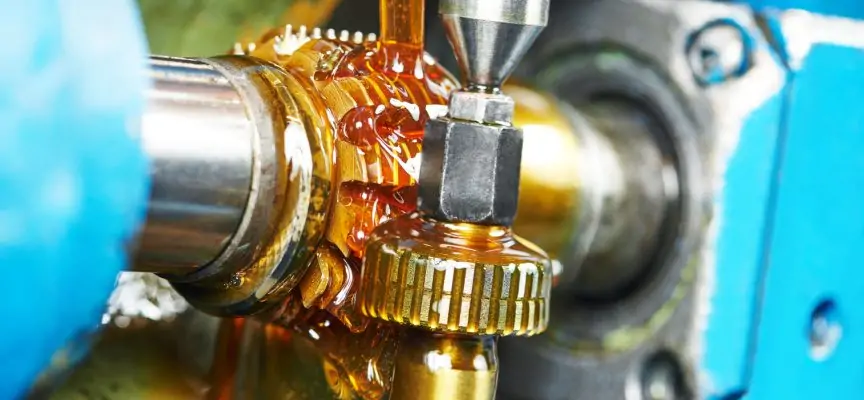
Bearing Lubrication: Everything You Need to Know

In the realm of machinery maintenance, bearing lubrication stands as a crucial aspect often overlooked. However, its significance cannot be understated. Proper lubrication not only ensures smooth operation but also extends the lifespan of bearings, thereby enhancing overall equipment performance and efficiency. In this article, we delve deep into the intricacies of bearing lubrication, exploring tips, techniques, and best practices to help you optimize your machinery’s performance and longevity.

Understanding Bearing Lubrication

Bearing lubrication serves multiple purposes, including reducing friction, preventing wear and tear, dissipating heat, and minimizing corrosion. Proper lubrication ensures that the bearing operates smoothly within its housing, maintaining the ideal balance between friction and load-bearing capacity.

Types of Industrial Lubricants

1. Grease Lubrication

Grease lubrication involves thickening agents mixed with base oil, offering excellent sealing properties and adhesion to bearing surfaces. This method is suitable for applications with moderate speeds and loads, providing long-term lubrication and protection against contaminants.

2. Oil Lubrication

Oil lubrication entails the continuous supply of oil to the bearing, ensuring effective heat dissipation and friction reduction. This method is preferred for high-speed, high-temperature applications, offering superior cooling and lubrication properties.

Importance of Proper Machine Lubrication

Effective bearing lubrication plays a pivotal role in:
  • Prolonging bearing lifespan
  • Reducing maintenance costs
  • Preventing equipment downtime
  • Enhancing overall machinery performance

Factors Influencing Lubrication

Several factors influence the selection and application of lubricants, including:
  • Operating conditions (speed, temperature, load)
  • Environmental factors (contaminants, moisture)
  • Bearing type and design
  • Application requirements (re-lubrication intervals, sealing mechanisms)

Best Practices for Bearing Lubrication

1. Regular Inspection and Maintenance Conduct routine inspections to assess lubricant condition, bearing performance, and potential signs of wear. Replace or replenish lubricants as needed to maintain optimal operating conditions. 2. Appropriate Lubricant Selection Choose lubricants based on operating conditions, bearing type, and manufacturer recommendations. Consider factors such as viscosity, temperature range, and compatibility with sealing materials. 3. Proper Lubricant Application Ensure uniform distribution of lubricant within the bearing housing to prevent over-lubrication or under-lubrication. Follow manufacturer guidelines regarding application methods and quantities. 4. Sealing and Contamination Control Install effective sealing mechanisms to prevent ingress of contaminants such as dust, moisture, and debris. Implement proper filtration systems and cleanliness protocols to maintain lubricant integrity.

FAQs (Frequently Asked Questions)

1. How often should bearing lubrication be performed? Bearing lubrication frequency depends on various factors, including operating conditions, application requirements, and manufacturer recommendations. Generally, it’s advisable to follow manufacturer guidelines and conduct regular inspections to determine the optimal lubrication intervals. 2. Can I use different types of lubricants for bearings? While it’s possible to use different lubricants, it’s crucial to ensure compatibility with bearing materials and operating conditions. Mixing incompatible lubricants can lead to chemical reactions, reduced lubrication effectiveness, and potential damage to bearings. 3. What are the common signs of inadequate lubrication? Signs of inadequate lubrication include increased friction and heat generation, unusual noise or vibration, premature bearing failure, and visible signs of wear such as pitting or scoring on bearing surfaces. 4. How can I extend the lifespan of bearings through lubrication? To extend bearing lifespan, prioritize proper lubrication practices, conduct regular maintenance and inspections, monitor operating conditions, and address any issues promptly. Additionally, ensure proper storage and handling of lubricants to maintain their effectiveness. 5. What are the consequences of over-lubrication? Over-lubrication can lead to excessive heat generation, increased friction, leakage, and seal damage. It may also contribute to lubricant contamination and accelerated wear of bearing components, ultimately compromising equipment performance and longevity. 6. Are there any environmental considerations when selecting lubricants? Yes, environmental factors such as temperature extremes, moisture, chemical exposure, and operating environment (indoor vs. outdoor) should be taken into account when selecting lubricants. Choose lubricants with appropriate viscosity, stability, and resistance to environmental factors to ensure optimal performance and longevity.

Conclusion

In conclusion, bearing lubrication is a critical aspect of machinery maintenance, impacting performance, lifespan, and reliability. By adhering to best practices, selecting the right lubricants, and implementing proper maintenance protocols, you can ensure smooth operation and longevity of your equipment. Remember to conduct regular inspections, monitor operating conditions, and address any issues promptly to maximize the efficiency and effectiveness of lubrication. Contact us to know information about industrial lubrication.  

Understanding Industrial Open Gear Lubrication and Its Limitations

Industrial open gear lubrication is a crucial aspect of machinery maintenance in various sectors, ensuring optimal performance and longevity of equipment. However, amidst its benefits, understanding the limitations of open gear lubrication is equally essential. In this blog, we’ll delve into the intricacies of industrial lubrication, shedding light on its importance, common practices, while also exploring the constraints and challenges it may encounter.

The Importance of Industrial Open Gear Lubrication:

Industrial operations often subject open gears to harsh conditions, including heavy loads, high temperatures, and exposure to contaminants. Adequate lubrication is indispensable to minimize friction, dissipate heat, and protect against wear and corrosion, thereby ensuring smooth operation and preventing premature failure of machinery.

Common Practices in Industrial Open Gear Lubrication:

Several lubrication methods and products are employed in industrial settings to lubricate open gears effectively: Grease Lubrication: Grease, with its ability to adhere to surfaces and provide long-lasting lubrication, is commonly used for open gears. Specialized formulations cater to specific operating conditions, ensuring optimal performance. Oil Lubrication: Oil lubrication involves the application of a continuous oil film to gear surfaces, offering excellent lubrication properties suitable for high-speed and heavy-duty applications. Various formulations, including mineral oils and synthetic blends, address diverse performance requirements. Solid Film Lubricants: Solid film lubricants, such as molybdenum disulfide or graphite, are applied as dry films to gear surfaces, providing low-friction coatings that mitigate wear and prevent metal-to-metal contact.

Limitations and Challenges of Industrial Open Gear Lubrication:

Despite its importance, industrial open gear lubrication faces several limitations and challenges: Ingress of Contaminants: Open gears are exposed to environmental contaminants such as dust, dirt, and water, which can compromise lubricant effectiveness and lead to increased wear and corrosion. High Operating Temperatures: In applications where, open gears are subjected to high temperatures, conventional lubricants may degrade or evaporate rapidly, necessitating frequent reapplication and maintenance. Maintenance Intervals: Industrial machinery often operates continuously, requiring regular lubrication maintenance. However, accessing and lubricating open gears in remote or inaccessible locations can be challenging, leading to extended downtime and increased maintenance costs. Compatibility Issues: Selecting the appropriate lubricant for specific gear materials and operating conditions is critical. Incompatibility between lubricants and gear materials can lead to reduced lubricant effectiveness, increased wear, and potential equipment damage.

Addressing Limitations and Enhancing Performance:

Despite these challenges, several strategies can mitigate the limitations of industrial open gear lubrication:
  1. Regular Inspection and Maintenance: Implementing routine inspections and maintenance schedules helps identify issues early and prevent equipment failure.
  2. Advanced Lubrication Technologies: Explore advanced lubrication solutions, such as high-performance greases and synthetic oils, designed to withstand extreme operating conditions and prolong equipment life.
  3. Application Techniques: Utilize efficient lubrication application methods, such as automated lubrication systems, to ensure consistent and thorough coverage of gear surfaces.

Conclusion:

Industrial open gear lubrication is indispensable for maintaining equipment efficiency and prolonging machinery lifespan. While it faces inherent limitations and challenges, proactive maintenance, advanced lubrication technologies, and strategic application techniques can help overcome these obstacles and optimize equipment performance. Understanding the nuances of open gear lubrication and its limitations is crucial for navigating the terrain of industrial machinery maintenance successfully.

The Importance of Industrial Lubrication for Your Pneumatic Equipment

Pneumatic equipment, powered by compressed air, plays a pivotal role in numerous industries, from manufacturing to automotive. To maintain the efficiency, longevity, and reliability of these systems, proper lubrication is essential. In this industrial lubrication blog, we’ll explore the significance of lubrication for pneumatic equipment and the key reasons why it should be an integral part of your maintenance routine.

1. Reducing Friction and Wear:

Friction is an inevitable part of machinery operation, leading to wear and tear over time. Lubrication forms a protective barrier, reducing friction between moving parts in pneumatic systems. Proper lubrication minimizes wear on components such as cylinders, valves, and seals, extending their lifespan and reducing the frequency of replacements.

2. Enhancing Energy Efficiency:

Lubricated pneumatic equipment operates more efficiently, requiring less energy to perform tasks. Reduced friction and smoother movement contribute to energy savings, making lubrication a cost-effective way to improve overall system efficiency.

3. Preventing Corrosion and Contamination:

Pneumatic systems are susceptible to corrosion due to the presence of moisture in compressed air. Lubrication helps create a protective barrier, preventing corrosion and extending the life of components. Lubricants also act as a barrier against contaminants, such as dust and debris, ensuring the integrity of the system and preventing damage to sensitive components.

4. Maintaining Consistent Performance:

Lubrication contributes to the consistent and reliable performance of pneumatic equipment. Properly lubricated components move smoothly, preventing issues like sticking valves or sluggish cylinders that can disrupt operations. Consistent performance reduces downtime, increases productivity, and improves the overall efficiency of the industrial processes relying on pneumatic systems.

5. Temperature Regulation:

Pneumatic systems can generate heat during operation. Lubrication helps dissipate this heat, preventing overheating and potential damage to components. Adequate lubrication also ensures that the system operates within its optimal temperature range, contributing to the longevity of pneumatic equipment.

6. Noise Reduction:

Unlubricated pneumatic systems can produce excessive noise due to increased friction between moving parts. Lubrication helps dampen these noises, creating a quieter and more comfortable working environment. Reduced noise levels contribute to improved workplace conditions and may also have positive effects on worker productivity and well-being.

7. Extended Maintenance Intervals:

Regular lubrication schedules can extend maintenance intervals for pneumatic systems. Well-lubricated components require less frequent inspections and replacements, reducing overall maintenance costs and increasing system uptime.

Conclusion:

In the realm of pneumatic equipment, the importance of lubrication cannot be overstated. From minimizing friction and wear to enhancing energy efficiency, preventing corrosion, and maintaining consistent performance, the benefits of proper lubrication are far-reaching. Incorporating a well-planned lubrication strategy into your maintenance routine will not only extend the life of your pneumatic systems but also contribute to increased efficiency, reduced downtime, and a smoother operation overall. Regularly consult equipment manuals and industry best practices to ensure that you use the right lubricants and follow recommended guidelines for your specific pneumatic equipment. Contact us for more information about Industrial lubrication.

Exploring Types of Lubrication Methods Used in Industries

In the vast and intricate machinery of industrial operations, lubrication plays a pivotal role in ensuring smooth functioning and longevity of components. Lubricants are substances that reduce friction and wear between moving parts, enhancing the efficiency and reliability of machines. Various industries utilize different lubrication methods to meet their specific needs and challenges. In this blog, we will delve into the diverse types of lubrication methods employed in industries, understanding their applications and advantages. Related blog: Know about the Basics of Automatic Lubrication System

1. Boundary Lubrication:

In scenarios where there is metal-to-metal contact between surfaces, boundary lubrication comes into play. Thin layers of lubricants form a protective film between the surfaces, preventing direct contact and minimizing friction. This method is particularly crucial in high-pressure and extreme load conditions, often encountered in heavy machinery.

2. Hydrodynamic Lubrication:

Hydrodynamic lubrication relies on the relative motion between surfaces to create a lubricating film. Fluid lubricants, such as oils, are used to separate moving parts. This method is highly effective in reducing wear and heat generation, making it suitable for applications where continuous motion is present, like in rotating shafts.

3. Hydrostatic Lubrication:

In hydrostatic lubrication, an external pump or other means is used to pressurize the lubricant, creating a film that separates the moving surfaces. This method is particularly advantageous in applications where heavy loads need to be supported, providing enhanced stability and reducing wear and tear.

4. Boundary Lubrication:

Boundary lubrication is employed when surfaces are in close contact but still experience relative motion. This method utilizes additives in the lubricant to create a protective layer on the surface, preventing direct metal-to-metal contact and reducing friction. It is often used in applications where extreme pressure conditions exist.

5. Solid Lubrication:

Solid lubricants, such as graphite and molybdenum disulfide, are used in situations where conventional liquid lubricants may not be suitable. These materials adhere to the surface, providing a durable and effective lubricating layer. Solid lubrication finds application in high-temperature environments and in situations where traditional lubricants may not be practical.

6. Grease Lubrication:

Grease, a semi-solid lubricant, is a mixture of oil and a thickening agent. It is easy to apply and stays in place, making it suitable for components that require long-term lubrication. Grease lubrication is commonly used in bearings, gears, and other enclosed systems.

7. Mist Lubrication:

Mist lubrication involves the generation of a fine mist or spray of lubricant that is directed onto the moving parts. This method is often used in high-speed applications where traditional lubrication methods may not be sufficient. Mist lubrication helps in cooling and lubricating components simultaneously.

Conclusion:

In the intricate world of industrial machinery, selecting the right lubrication method is paramount to ensuring efficiency, reliability, and longevity. Each type of lubrication method caters to specific requirements, depending on factors such as load, speed, temperature, and environmental conditions. As industries continue to advance, the development of new lubrication technologies will play a crucial role in enhancing the performance and sustainability of machinery. Understanding and implementing the appropriate lubrication method is a key element in the pursuit of smooth and efficient industrial operations.

Why Lubrication is Necessary for Mining Industry?

The mining industry, a backbone of the global economy, holds a very intricate and challenging operational environment. An aspect that often does not receive due attention is lubrication. It is a pivotal component in the smooth functioning of mining equipment and machinery. The usage of automatic lubrication systems or industrial lubrication systems, can dramatically reduce downtime and improve overall productivity. We will tell you the importance of lubrication in mining industry, and the benefits of modern automatic grease lubrication in the mining sector. Reasons why you should think about importance of lubrication in mining industry:
  • The mining industry is renowned for its high-pressure, rugged environments that put intense strain on machinery and equipment.
  • One factor that significantly affects the longevity and performance of this machinery is proper lubrication.
  • The proper use and application of lubrication in mining industry are significant. It is here that the automatic lubrication system comes into play, reducing both equipment wear and the number of breakdowns.
  • The benefits it brings, such as improved equipment performance, reduced wear and tear, and increased productivity.

Understanding Lubrication in Mining Industry

The continuous and demanding operations of the mining industry require a detailed and thorough understanding of lubrication systems. The best for mining facilities, lubrication keeps machinery functioning at optimal levels, ensuring minimal downtime and improving overall productivity. Why does lubrication is a need not a want? Here is why:
  • The mining industry’s success is both literally and figurally lubricated by the types of lubricants used for its heavy machinery.
  • Each type of lubricant plays a significant role in maintaining different types of mining equipment, often operating under extreme conditions.
  • Every cog in the wheel, from drilling machines to dump trucks, relies on an effective lubricating system for optimum performance.

Necessity of Automatic lubrication system in Mining

The advent of technology has revolutionized numerous sectors, and the mining industry is no exception. Among the many innovations currently utilized in this field, the Automatic lubrication system (ALS) stands out due to its efficiency and undeniable necessity. The fundamentals of an automatic lubrication system, highlighting its technicalities and overall operation:
  • The mining industry is characterized by intense operations that demand optimal efficiency and productivity. One technology that significantly enhances these aspects is the automatic lubrication.
  • Automatic lubrication contributes to ensuring that the day-to-day activities within a mining company are carried out seamlessly, thereby fostering productivity and cost-effectiveness.
  • In a bid to achieve operational excellence, companies across multiple industries are exploring the potentials of automation. In the mining sector, this is evidenced by the increasing switch from manual to automatic lubrication systems.

Industrial lubrication system in Mining Operations

The industrial landscape is a dynamic, ever-changing one, consistently on the path of innovation and advancement. At the heart of these operations, ensuring a smooth and efficient functionality, stands the industrial lubrication system. A marvel of modern engineering, this system’s prime objective is to maintain and prolong the life of machinery used across multiple sectors. As the mining industry evolves and grows more complex, improving machinery efficiency and productivity becomes increasingly crucial. The industrial lubrication system, ensures smooth operations, reducing downtime, and extending equipment life. The connection between mining and lubrication might not be readily apparent, but make no mistake, the success of mining operations is deeply entwined with this system.

Role of an Automatic lubrication pump

A well-oiled machine operates at its peak efficiency, and nowhere is this truer than in the challenging domain of mining. Among the many sophisticated pieces of equipment that drive the mining industry forward, one silent hero stands out: automatic lubrication pump. Why its role also important:
  • The continuous, relentless nature of the mining sector demands hard-wearing, resilient machinery able to withstand the rigors of time and intense activity.
  • It isn’t merely the visible mechanics and technological advancements that keep things running smoothly; it’s often the behind-the-scenes components that are truly the lifeline of these operations.
  • One such component is the automatic lubrication pump, a seemingly modest but vitally critical element in maintaining the unbroken operation of mining machinery.
  • Not only does this technology ensure the smooth running of machinery, but its ability to consistently deliver the right amount of lubrication also reduces wear and tear, significantly prolongs the lifespan of equipment and keeps operations running without interruption.

Conclusion

Tucked deep within the critical components of colossal machinery and complex mining systems, there lives a silent driver: automatic grease lubrication. Without this unassuming, yet vital mechanism, the harsh and demanding environment of the mining industry would bring operations to a swift and costly halt. The continuous and efficient operation of machinery is the lifeblood of the mining industry. Any unexpected breakdown can lead to astronomical costs both in terms of repair and downtime. Lubrication safeguards against such disruptions. Contact our experts to know more about lubrication for the mining industry.

FAQs

1. Why is lubrication so important in the mining industry?

Lubrication helps reduce friction and wear between various moving parts of mining equipment such as crushers, conveyor belts, and drilling machinery. The extreme conditions experienced in mining operations, such as high temperatures, heavy loads, and exposure to dust and moisture, make lubrication indispensable. Proper lubrication helps in extending the lifespan of equipment, enhancing its efficiency, and preventing costly breakdowns, ultimately leading to increased productivity and reduced downtime.

2. How does lubrication improve the performance of mining equipment?

Lubrication improves the performance of mining equipment by reducing friction and wear. Adequate lubrication creates a protective film between moving parts, which minimizes friction and heat generation. This reduces the occurrence of equipment failures, prevents excessive wear on components, and reduces energy consumption.

3. What are the potential consequences of inadequate lubrication in the mining industry?

Insufficient lubrication in the mining industry can lead to serious consequences. Without proper lubrication, equipment components can experience increased friction, heightened heat generation, and accelerated wear. It results in premature equipment failure, costly repairs, and unplanned downtime, impacting productivity and profitability.
1-888-293-1763
sales@micro-lube.com
Contact us